

Published
EarliPoint Health Launches Project ALIGN to Advance Objective Measurement and Outcomes in Autism CareLearn More
Research
EarliPoint’s recent studies, featured in The Journal of the American Medical Association (JAMA), reveal the effectiveness of quantifying moment-by-moment looking behavior as a biomarker for objectively assessing the presence or absence of autism.






Answer a few quick questions to see if you qualify for low-cost access to EarliPoint® and opportunities to join the EarliPoint® Network. Takes ~2–3 minutes.
Get Started!Decades of research. Breakthrough results.
These studies also measure individual children’s functioning across the three core domains of autism – social disability, verbal ability, and nonverbal learning.
Published

Published
Our research foundation includes:

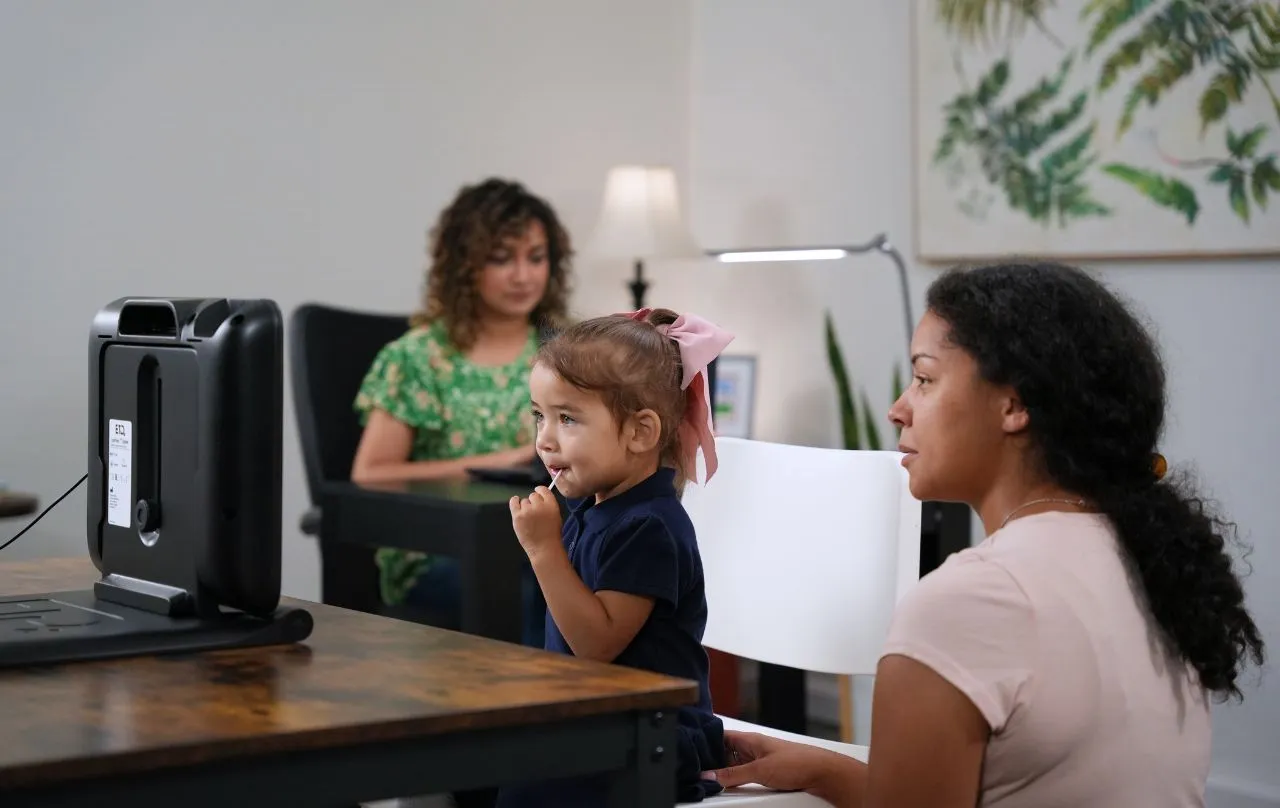
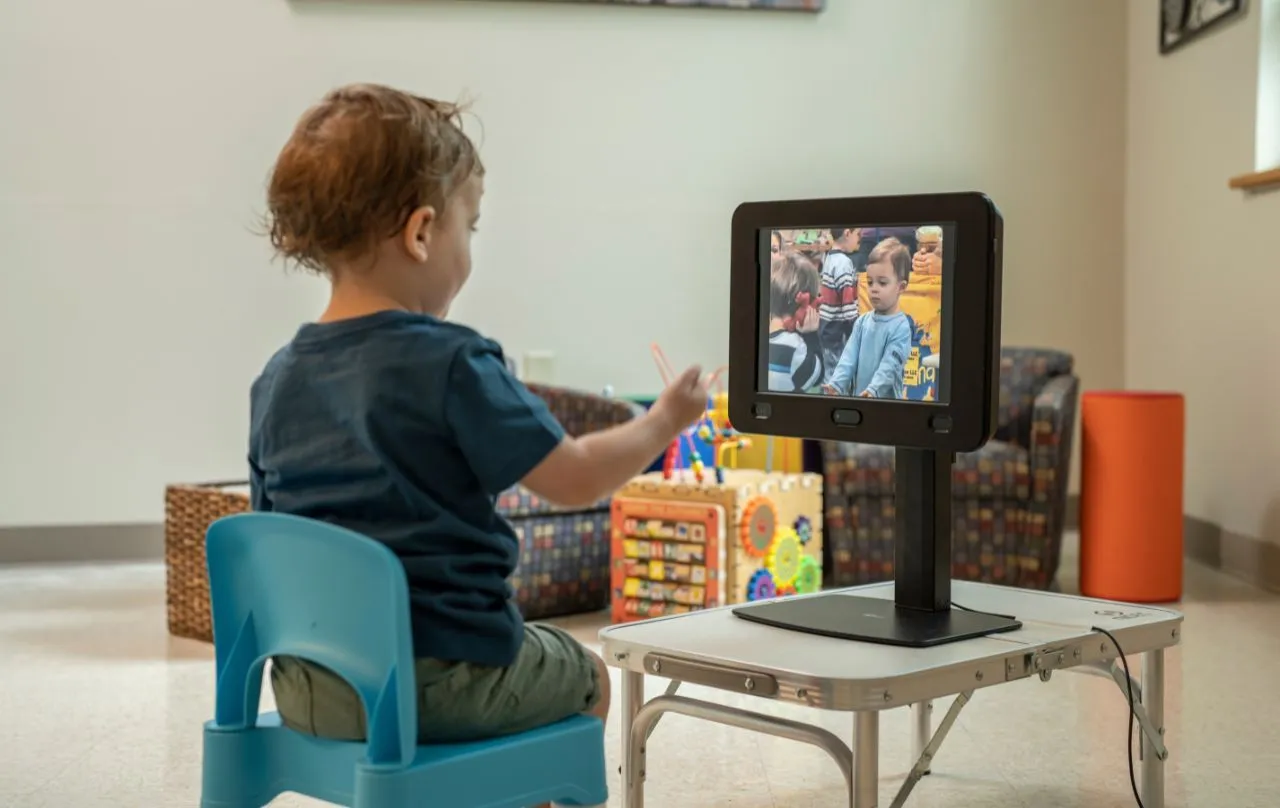
Two decades of peer-reviewed work by the EarliPoint scientific founders and collaborators on social visual engagement in autism.
Attention to eyes is present but in decline in 2–6-month-old infants later diagnosed with autism.
Infant viewing of social scenes is under genetic control and is atypical in autism.
Neonatal transitions in social behavior and their implications for autism.
Parsing heterogeneity in autism spectrum disorders: visual scanning of dynamic social scenes in school-age children.
Inhibition of eye blinking reveals subjective perceptions of stimulus salience.
Two-year-olds with autism fail to orient towards human biological motion but attend instead to non-social, physical contingencies.
Absence of preferential looking to the eyes of approaching adults predicts level of social disability in 2-year-olds with autism.
Visual fixation patterns during viewing of naturalistic social situations as predictors of social competence in individuals with autism.
Qualified investigators can request support for independent research that uses EarliPoint. Requests are reviewed by an independent committee based on scientific merit.